It started with what I thought was a mild cold, just a scratchy throat and some fatigue.
I told myself I’d be fine. I’m healthy and vaccinated.
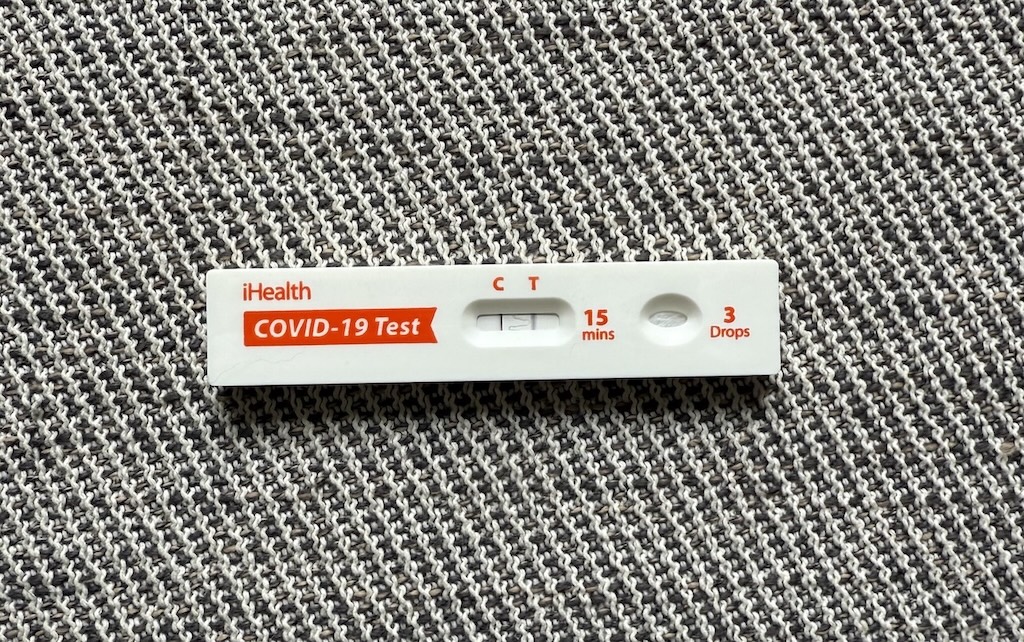
But, within two days, walking from my bed to the kitchen left me breathless. A rapid test confirmed what I feared: I had tested positive for COVID.
The physical discomfort kept growing.
Shortness of breath showed up alongside a persistent cough, a congested nose, and an on-and-off fever.
Table of Contents
Spiraling into panic
One morning, while watching a movie and trying to relax, the shortness of breath escalated.
I figured it was just normal exertion — COVID affects your lungs, after all. But, then, my breathing became shallow. My heart thudded loudly in my ears.
“I can’t breathe.”
“Am I breathing?”
I felt desperate.
I stood up.
Walked quickly to the balcony.
Tried to inhale as deeply as possible.
Felt the stuffiness in my nose.
I could only breathe through my mouth.
Tried again through my nose. Nothing.
My heart pounded faster.
I kept scanning the space around me, disoriented.
I was on the brink of a full-blown panic attack.
Here’s what made it so terrifying: COVID can cause serious respiratory symptoms, but so can panic. Both make your chest tighten. Both make your breath feel shallow. Both send your mind into overdrive.
I couldn’t force my lungs to work better. I couldn’t shut off the fear. But, I could choose how to relate to both.
Anchoring in the present
Panic pulls you out of the now and into imagined catastrophes:
- “What if this gets worse?”
- “What if I pass out?”
- “What if I have a heart attack?”
- “What if there is something wrong with me, and I don’t know?”
But, Acceptance and Commitment Therapy teaches you something counterintuitive yet powerful: You don’t have to get rid of fear, you can anchor yourself in what’s real right now.
Use your senses as an anchor
Ground yourself by naming:
- 5 things you can see
- 4 things you can feel
- 3 things you can hear
- 2 things you can smell
- 1 thing you can taste
Let your senses become your compass.
I deliberately looked around me:
- I saw the light hitting the wall in long streaks.
- I felt the cold mosaic with my hand.
- I heard the soft ticking of the hallway clock.
- I tasted the mint of a dissolving cough drop.
- I smelled the laundry detergent on my sweater.
Notice your physical contact points
I shifted my attention to the places where my body connected with the world:
- My feet pressing into the hardwood floor.
- My back against the wall.
These physical contact points were real and happening now, not in the imagined future.
The goal isn’t to calm down.
It’s to stay present, to make space for the fear, not battle it.
Name your sensations, thoughts, and feelings
Say out loud (or in your head):
- “I’m here. My heart is racing. I’m breathing. I feel scared.”
- “I’m having the thought that…”
- “My mind is telling me…”
Let yourself stay with the moment, without fixing it.
Practicing self-compassion
Let’s be honest: most of us aren’t kind to ourselves when we’re struggling.
You might hear a voice saying:
- “This is ridiculous.”
- “You should be stronger.”
- “Why are you panicking over this?”
But that inner critic only adds fuel to the fire.
In moments of distress, you can place a hand over your chest and imagined someone who cared deeply about you speaking gently:
- “This is really hard right now.”
- “You’re scared, and that makes sense.”
You don’t need to erase your fear or pretend you’re okay.
These skills didn’t “fix” everything, but they changed everything.
Self-compassion didn’t clear the virus from my lungs.
Anchoring didn’t make the panic vanish.
But, they helped me respond to both with more flexibility, more care.
In moments of breathlessness or fear, you don’t need to force calm or push through.
You can pause.
You can care.
You can anchor yourself in the present, again and again.